As parents, we naturally focus on protecting our children from immediate dangers like fever, infections, injuries. But some of the most powerful protection we can offer is actually for their future health.
The HPV vaccine is one of those tools. It doesn’t just prevent an infection but also prevent certain types of cancer later in life. HPV infection leads to approximately 36,000 cancer cases annually in the United States, according to the Centers for Disease Control and Prevention.
Still, it’s completely normal to have questions or even hesitation. Let’s walk through it together in a simple and reassuring way.
What Is HPV and Why Should Parents Care?
Human papillomavirus (HPV) is an extremely common virus. In fact, the Centers for Disease Control and Prevention states that most people will be exposed to HPV at some point in their lifetime, often without even realizing it.
While many infections go away on their own, some types of HPV can stay in the body and lead to cancers years later, including cervical and throat cancers. The World Health Organization identifies HPV as a leading cause of cervical cancer worldwide.
This is what makes prevention so important.
When Should Children Get the HPV Vaccine?
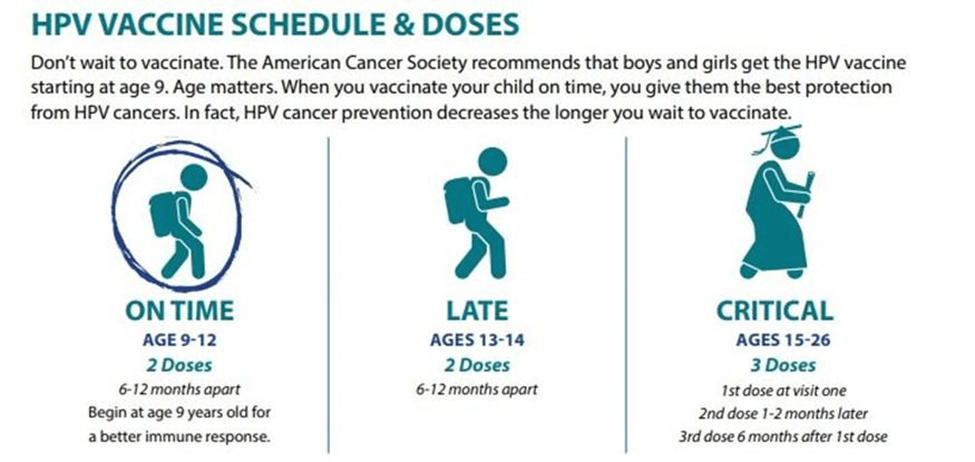
The American Academy of Pediatrics and the Centers for Disease Control and Prevention recommend starting the HPV vaccine at 11 to 12 years of age, although it can be given as early as 9.
At this age, the immune system responds very strongly to the vaccine, allowing for better and longer-lasting protection. Children who start early typically need only two doses, while older teens may require three.
Why So Early? A Common Parent Concern
Many parents wonder why this vaccine is given before the teenage years.
The answer is simple and important. The Centers for Disease Control and Prevention explains that the vaccine works best before any exposure to the virus. The American Academy of Pediatrics also emphasizes that younger children develop a stronger immune response.
This is not about present behavior; it’s about future protection.
How Effective Is the HPV Vaccine?
The HPV vaccine is one of the most effective vaccines we have. According to the Centers for Disease Control and Prevention, it can prevent more than 90% of HPV-related cancers when given at the recommended age.
Countries with high vaccination rates have already seen a significant drop in HPV infections and precancerous conditions. This is real-world evidence that the vaccine works.
Is It Safe?
Safety is understandably one of the biggest concerns for parents.
The World Health Organization reports that the HPV vaccine has been administered to millions of children worldwide with an excellent safety record. Similarly, the American Academy of Pediatrics confirms that serious side effects are extremely rare.
Most children experience only mild symptoms such as soreness at the injection site or a low-grade fever, which resolve quickly. According to Cleveland clinic, there are no known long-term side effects related to HPV vaccine.

Common Myths—Cleared Simply
Let’s address a few common worries:
- It’s too early → Early vaccination provides stronger protection
- My child is not at risk → HPV exposure is very common later in life
- It encourages early behavior → Studies reviewed by the World Health Organization show no connection
When Should You Talk to Your Pediatrician?
If your child is between 9 and 12 years old, it’s a great time to start the conversation. The HealthyChildren.org encourages parents to include the HPV vaccine as part of routine immunizations.
Quick Takeaway for Busy Parents
The HPV vaccine is:
- A cancer-preventing vaccine
- Most effective when given early
- Safe and strongly recommended by experts
It’s completely normal to pause before making decisions about your child’s health. Trusted organizations like the Centers for Disease Control and Prevention and American Academy of Pediatrics strongly support HPV vaccination because it protects your child from future cancers.
Protecting your child today means protecting your child from serious disease years down the road.
 Little Care Corner
Leave a comment