One of the most common concerns parents share with me in clinic is:
“My toddler isn’t talking yet. Should I be worried?”
And honestly, it’s a very understandable worry. Language development is something parents notice every day, and it’s natural to compare your child with others. The truth is that children develop speech at different speeds. Some toddlers are very chatty early on, while others take a little longer to start using words.
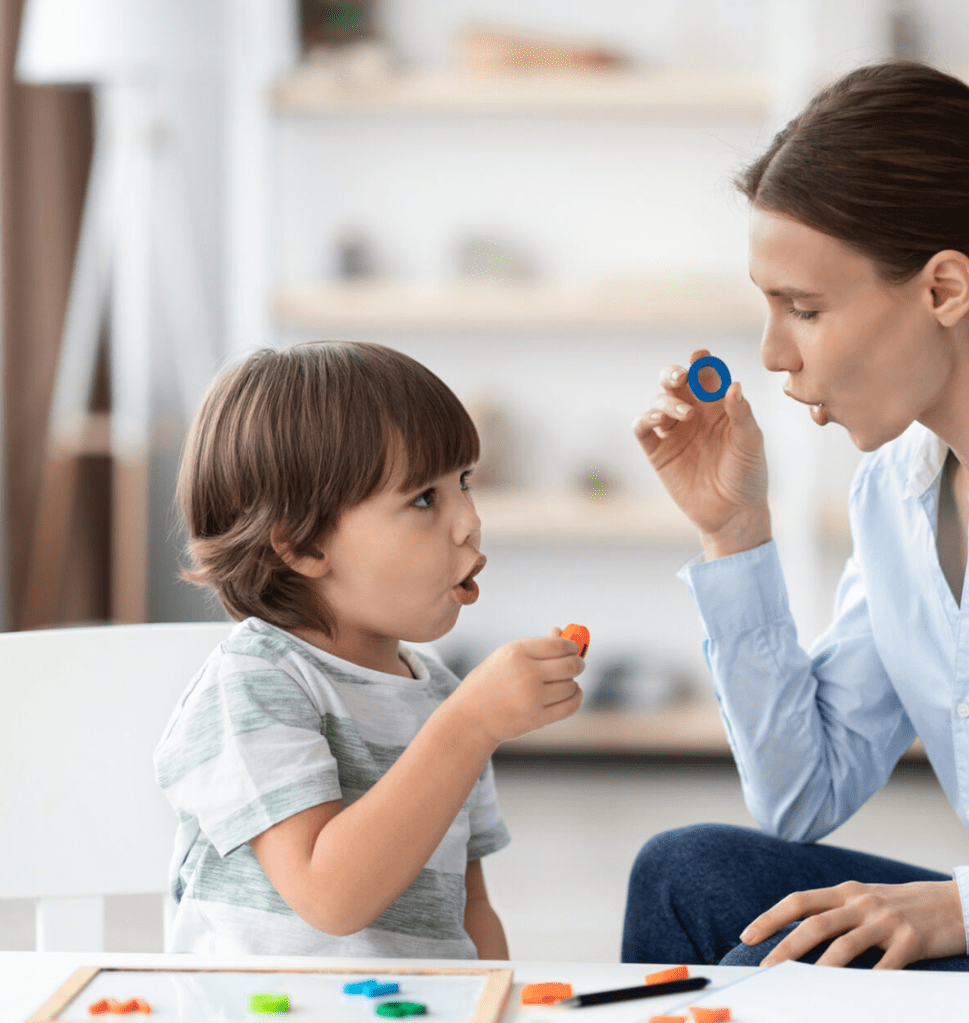
Most babies start saying simple words like mama or dada around their first birthday. By around 18 months, many toddlers say a few words, and by age two, they usually begin putting two words together like more milk or mommy come. But not every child follows the exact same timeline. Sometimes a toddler may understand everything you say but just hasn’t started speaking much yet. In many cases, these children are simply “late talkers.” Other times, speech delay can happen because of things like hearing problems, limited interaction, or developmental differences.
One question parents often ask is whether speech delay means autism. The answer is not necessarily. Many children with speech delay still make good eye contact, point to things they want, play with others, and enjoy social interaction. Those social behaviors are reassuring signs.
However there are signs Parents Should Watch For :
Consider speaking with your pediatrician if your child:
- Is not babbling by 12 months
- Is not saying words by 16 months
- Is not combining two words by 2 years
- Does not respond to their name
- Does not point to show interest
- Loses previously learned words or skills
As parents, there are simple things you can do to support language development at home. Talk to your child throughout the day, describe what you’re doing, read books together, and encourage back-and-forth interaction. Even small conversations during daily routines help children learn language. I also remind parents that screens don’t replace real interaction. Children learn language best by hearing people speak and by engaging in conversation.
If your child isn’t saying words by around 16–18 months, or isn’t combining words by age two, it’s always a good idea to talk with your pediatrician. Early evaluation doesn’t mean something is wrong — it simply helps us support development early if needed.
One thing I always tell parents is this: trust your instincts. If something about your child’s development worries you, it’s okay to ask questions. Every child develops in their own way and in their own time. Our goal is simply to make sure they have the support they need to grow and communicate with confidence.


Leave a Reply